Leadership briefing
Why team building matters now
Why team building matters now
Teams are the engine behind organizational performance. Whether co-located, remote, or hybrid, high-functioning teams deliver faster decisions, better customer outcomes, and sustained innovation.
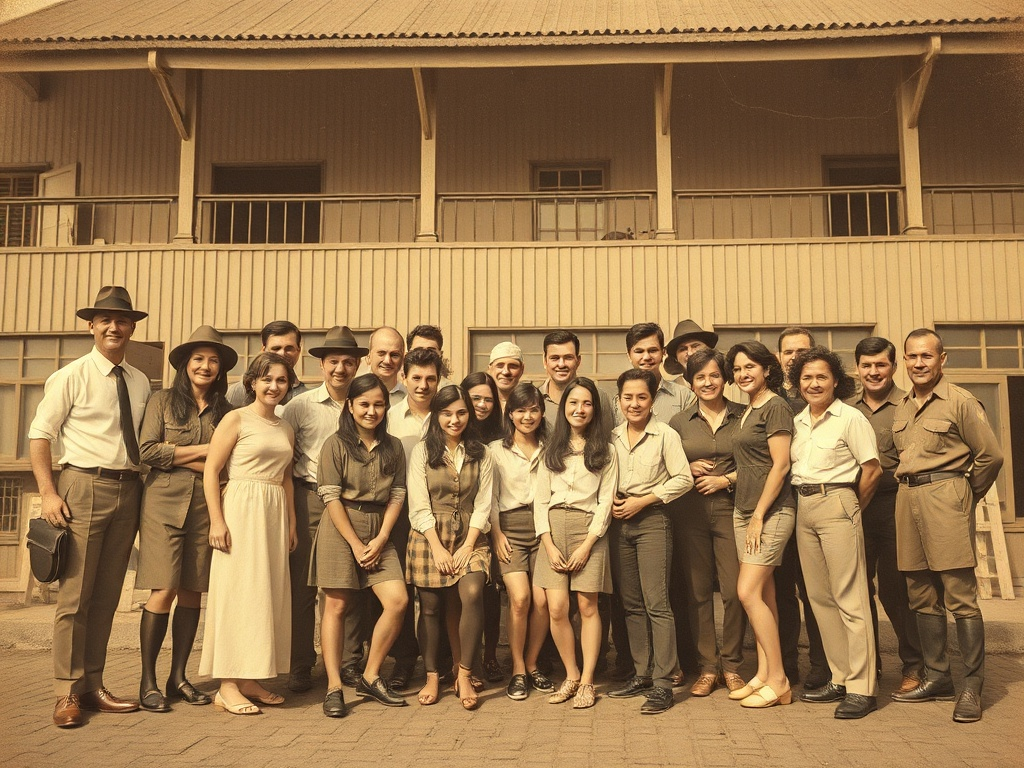
Effective team building goes beyond one-off social events; it creates structures, rituals, and norms that cultivate trust, clarity, and accountability.
Core principles for lasting team connection
– Psychological safety: Encourage an environment where people can speak up without fear of retribution. Teams that normalize vulnerability and constructive disagreement move faster and make better decisions.
– Clear purpose and shared goals: Align on mission and outcomes. When everyone understands how their work contributes to broader objectives, motivation and focus increase.
– Reliable communication rhythms: Regular check-ins, clear async processes, and agreed-upon channels prevent noise and uneven participation.
– Inclusive practices: Design activities and workflows that account for different schedules, accessibility needs, and cultural backgrounds so everyone can participate comfortably.
– Recognition and feedback loops: Celebrate wins and learn from setbacks. Short feedback cycles reinforce desired behaviors and accelerate growth.
Practical team-building activities that scale
– Problem-solving sprints: Small cross-functional teams tackle a real, bounded problem in a few hours. This builds collaboration skills and produces tangible outcomes.
– Role swap sessions: Members present a colleague’s role and responsibilities.
This fosters empathy and uncovers process friction points.
– Micro-mentoring: Pair people for focused 30–60 minute coaching sessions on specific skills. Short, regular touchpoints drive development without heavy time investment.
– Rituals with purpose: Start meetings with a one-minute highlight or gratitude round to strengthen psychological safety and keep meetings human.
– Volunteer or community projects: Shared service projects unite teams around a cause and build camaraderie outside regular work topics.
Remote and hybrid-friendly approaches
Design activities that respect time zones and bandwidth. Use a mix of synchronous and asynchronous options:
– Coffee roulette with flexible scheduling: Randomly pair teammates for short 20–30 minute chats, with options for async icebreaker prompts.
– Asynchronous challenges: Weekly micro-challenges (photo themes, short reflections, knowledge-sharing threads) that allow contribution on each person’s schedule.
– Virtual experiential events: Escape rooms, collaborative cooking classes, or co-creative workshops work well when coupled with facilitated debriefs that connect experiences to everyday collaboration.
Measuring impact
Track both quantitative and qualitative indicators:
– Engagement scores and participation rates in team rituals
– Turnover and internal mobility trends
– Time-to-decision or cycle time improvements
– Collected stories from retrospectives about trust, accountability, and communication improvements
Keep experiments short and repeatable. Run a week- or month-long pilot for a new activity, gather feedback, and iterate. Small wins compound faster than occasional grand gestures.
Leadership’s role
Leaders set the tone by modeling openness, soliciting feedback, and protecting team time for collaboration. Empower team members to design their own rituals and own the results. Distributed ownership increases buy-in and often reveals creative practices leaders might not have considered.
Quick implementation plan
1.
Diagnose: Run a short pulse survey or a two-question retrospective to identify the biggest friction point.
2.
Experiment: Pick one targeted activity to address that friction for a defined period.
3.
Measure: Collect participation metrics and qualitative feedback.
4. Iterate: Keep what works, tweak what doesn’t, and scale successful practices across teams.
Small, consistent investments in team building pay big dividends. Focus on building trust, aligning on purpose, and creating repeatable rituals—those are the foundations of teams that perform, adapt, and stay engaged.