Leadership briefing
Unlocking the Power of Diversity: How to Foster Inclusion and Innovation in the Workplace
In the modern business sphere, diversity initiatives are no longer seen as an optional extra, but rather a necessity. From small startups to multinational corporations, enterprises across the globe are tapping into the boundless potential of a diverse workforce.
Diversity initiatives are designed to foster an inclusive work environment that respects and appreciates differences in ethnicity, gender, age, national origin, disability, sexual orientation, education, and religion.
They are a strategic approach to bringing valuable and varying perspectives to the table, fueling innovation and broadening a company’s worldview.
Let’s delve deeper into the foundational aspects of diversity initiatives and their crucial role in creating inclusive corporate cultures.
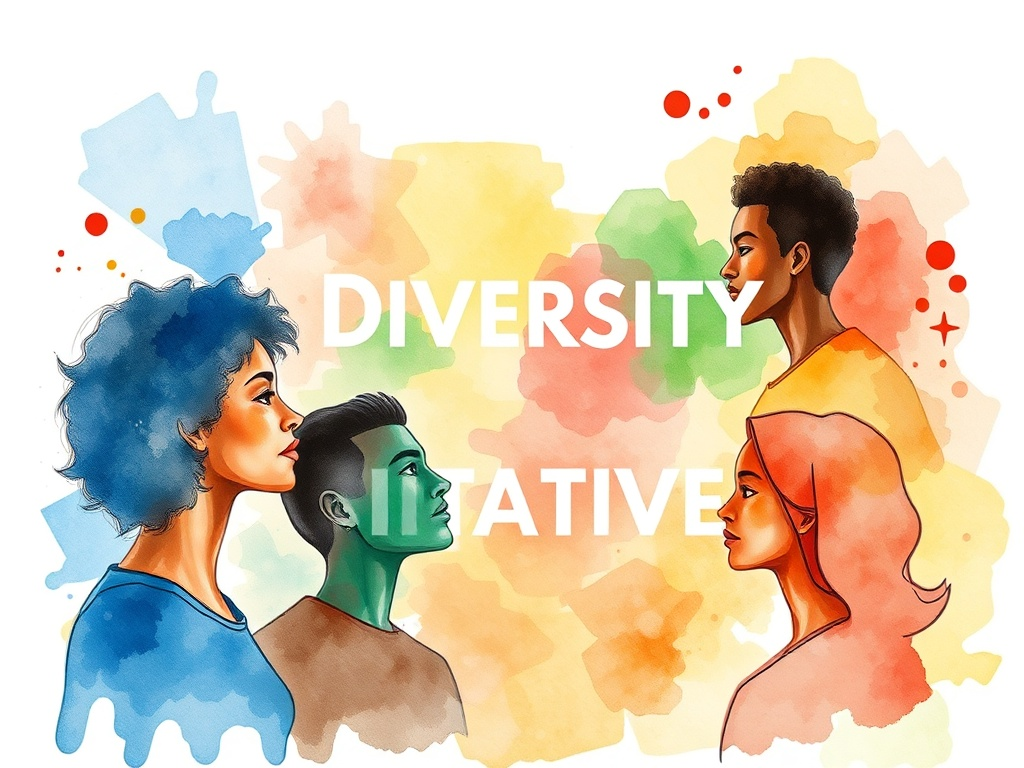
The Value of Diversity
Embracing diversity isn’t merely about ticking a box for corporate social responsibility. There’s an undeniable business case for diversity. A rich tapestry of various perspectives often breeds greater creativity and innovation. Diverse teams are more likely to identify gaps in the market, understand customer needs, and come up with innovative solutions.
The different backgrounds and experiences of team members can spark unique ideas, challenging the status quo, and fostering an environment of continuous learning and growth.
Elements of a Successful Diversity Initiative
Effective diversity initiatives go beyond hiring quotas. They encompass a series of strategies and policies aimed at creating an environment that values diversity and promotes inclusion. These may include unconscious bias training, mentorship programs, flexible work policies, and inclusive recruitment strategies.
Unconscious bias training helps employees recognize and overcome their inherent biases, helping them make more objective decisions. Mentorship programs enable employees to learn from diverse role models, fostering mutual understanding, and respect.
Flexible work policies cater to different lifestyles and needs, promoting a balanced and inclusive work culture. Inclusive recruitment strategies help attract a diverse talent pool, preventing discrimination and promoting equal opportunities.
Challenges of Implementing Diversity Initiatives
While the benefits of diversity are well-documented, implementing diversity initiatives is not without its challenges. Some employees may resist change, perceiving diversity efforts as a threat. This resistance can be mitigated through education and communication, emphasizing that diversity initiatives enrich the work environment for everyone.
Another potential challenge is tokenism, where companies hire or promote individuals primarily to appear diverse. Tokenism can undermine the spirit of diversity initiatives, leading to feelings of exclusion and marginalization. It’s essential to ensure that diversity efforts are genuine and not merely for optics.
The Future of Diversity Initiatives
Currently, diversity initiatives are evolving from a focus on representation to concentrating on inclusivity and belonging. Companies are realizing that it’s not enough to have a diverse workforce; employees must feel valued, heard, and included.
Organizations are also leveraging technology to support diversity initiatives.
Artificial intelligence and data analytics are being used to reduce bias in recruitment and performance assessments, leading to fairer and more objective decision-making.
As companies continue to grapple with the complexities of diversity, there’s an understanding that diversity initiatives are not a one-off campaign but a long-term commitment. Through continuous learning, adaptation, and sincere efforts, organizations can build inclusive cultures that value and celebrate diversity.
In the end, a successful diversity initiative is one that permeates every aspect of an organization, fostering a workplace culture that not only accepts but embraces the myriad of attributes that make each individual unique. Implementing diversity initiatives is more than just a move towards social equity; it’s a strategic business decision that drives innovation, productivity, and ultimately, success.