Leadership briefing
Unlocking Success in Business: The Role of Inclusive Leadership in Today’s Diverse Workplace
In the ever-evolving landscape of business operations, the concept of inclusive leadership has garnered significant attention. Characterized by openness, approachability, availability, and the capacity to garner and value diverse perspectives, this leadership style is the linchpin of successful contemporary organizations.
Today, it’s more relevant than ever, as companies strive to foster a workplace culture that welcomes all voices and perspectives.
So, what does it mean to be an inclusive leader, and why is it crucial in the world of business?
Inclusive leadership can be considered a proactive approach that ensures everyone feels they belong. It advocates for the participation of all, regardless of their background or identity, and it values and seeks out diverse perspectives. This leadership style is a reflection of the growing understanding that diversity isn’t just about representation; it’s about ensuring that everyone’s voice is genuinely heard and valued.
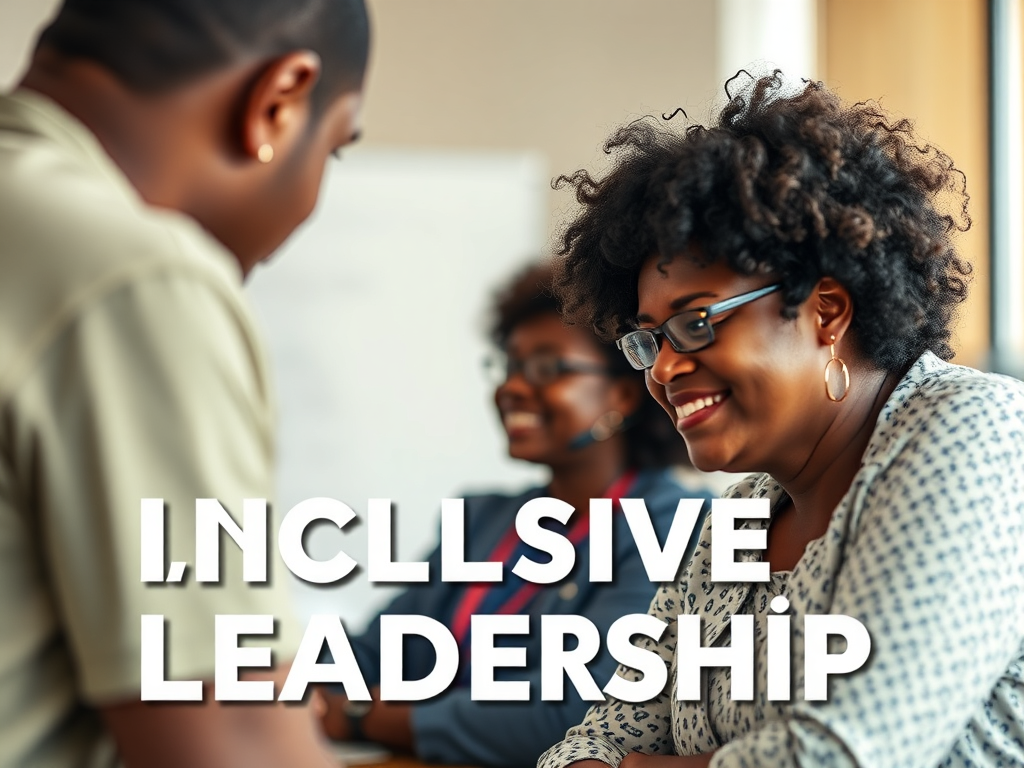
Creating a culture where all individuals feel valued and appreciated for their unique qualities can lead to increased morale, creativity, and productivity. When team members feel that their unique perspectives are valued, they’re more likely to contribute innovative ideas and solutions. As a result, inclusive leadership can also result in improved problem-solving, decision-making, and ultimately, financial performance.
So how can one cultivate inclusive leadership skills?
Visibility is key.
An inclusive leader is not someone who stays behind the scenes. Instead, they engage with their team regularly, promoting an open-door policy. They are approachable and encourage dialogue, providing an environment where people feel comfortable sharing their ideas and concerns.
Secondly, inclusivity is about appreciating and leveraging diversity. An inclusive leader values the differing perspectives that a diverse team can offer. They actively work to foster a culture where diversity is celebrated, not merely accepted. This strategy involves encouraging team members to express their ideas freely, acknowledging the value of these differing viewpoints, and incorporating them into the decision-making process.
Moreover, inclusive leaders foster an environment of psychological safety. They create a safe space where people feel comfortable taking risks, voicing their opinions, making mistakes, and learning from them.
In such an environment, team members feel empowered, which promotes creativity, innovation, and growth.
Finally, it’s important to remember that inclusive leadership should be more than just a strategy; it should be ingrained in the company’s culture. It should be reflected in recruitment strategies, performance metrics, and overall business operations. Inclusive leadership is not a one-time event or initiative; it’s an ongoing commitment to creating a culture where everyone feels they belong.
In the current competitive business environment, inclusive leadership has emerged as a powerful tool for success. By valifying diverse perspectives, encouraging open dialogue, and fostering a sense of belonging, inclusive leaders can drive innovation, productivity, and ultimately, business growth.
Indeed, the power of inclusive leadership transcends beyond the workplace. It’s about setting an example for society, proving that everyone’s voice matters and can add value. It’s about fostering a culture where diversity isn’t just accepted but celebrated.
It’s about paving the path towards a more inclusive future, where everyone is empowered to contribute, innovate, and succeed.