Leadership briefing
Unlocking Organizational Success: The Power of Inclusive Leadership
Inclusive leadership has quickly gained traction as an essential management approach.
It’s an approach that’s gaining momentum, not just because it’s the right thing to do, but also because it’s good for business.
A diverse and inclusive workforce helps to drive innovation and creativity, leading to enhanced performance and growth.
Inclusive leadership is about ensuring that everyone on the team feels valued and included.
It means recognizing and appreciating the unique attributes of each individual and leveraging these differences to enhance organizational effectiveness. Alongside, it also involves creating an environment that promotes fairness, respect, and a sense of belonging.
An inclusive leader empowers their team members, encourages them to speak up, and listens to their ideas and concerns.
They are open-minded, value diversity, and are committed to equality.
They recognize that everyone has a unique perspective, and they appreciate the value this adds to the organization.
However, there are key attributes that set inclusive leaders apart.
Firstly, awareness of bias – an inclusive leader acknowledges that everyone, including them, has biases.
They strive to mitigate these biases and do not let them influence their decisions. Secondly, cultural intelligence – they have a deep understanding of cultural and social diversity and know how to navigate these differences effectively. Finally, they are proficient in collaboration – they know how to bring people together, foster teamwork, and create synergies.
Research shows that organizations with inclusive leadership tend to have higher employee engagement, reduced turnover, and improved performance. When employees feel included, they are more likely to be motivated, productive, and committed to the organization.
They are also more likely to come up with innovative ideas and solutions, as they feel their input is valued and taken into consideration.
Inclusive leadership also has significant benefits for the leader. It helps them to build a strong, diverse team with a wide range of skills, experiences, and perspectives. This diversity can lead to increased creativity, innovation, and problem-solving abilities. In an increasingly globalized and diverse business world, leaders who can effectively manage and leverage diversity will have a distinct competitive advantage.
Implementing inclusive leadership, however, requires a shift in mindset and behavior. It requires leaders to step out of their comfort zones, to challenge their own beliefs and assumptions, and to be willing to change their approach when necessary. It’s about being open to different perspectives, seeking out diversity, and embracing it as a valuable resource.
Becoming an inclusive leader is not an overnight process.
It requires ongoing learning and development.
It involves self-reflection and taking the time to understand and appreciate the unique attributes of each team member. It also requires a commitment to fairness and equality, and a willingness to stand up against bias and discrimination.
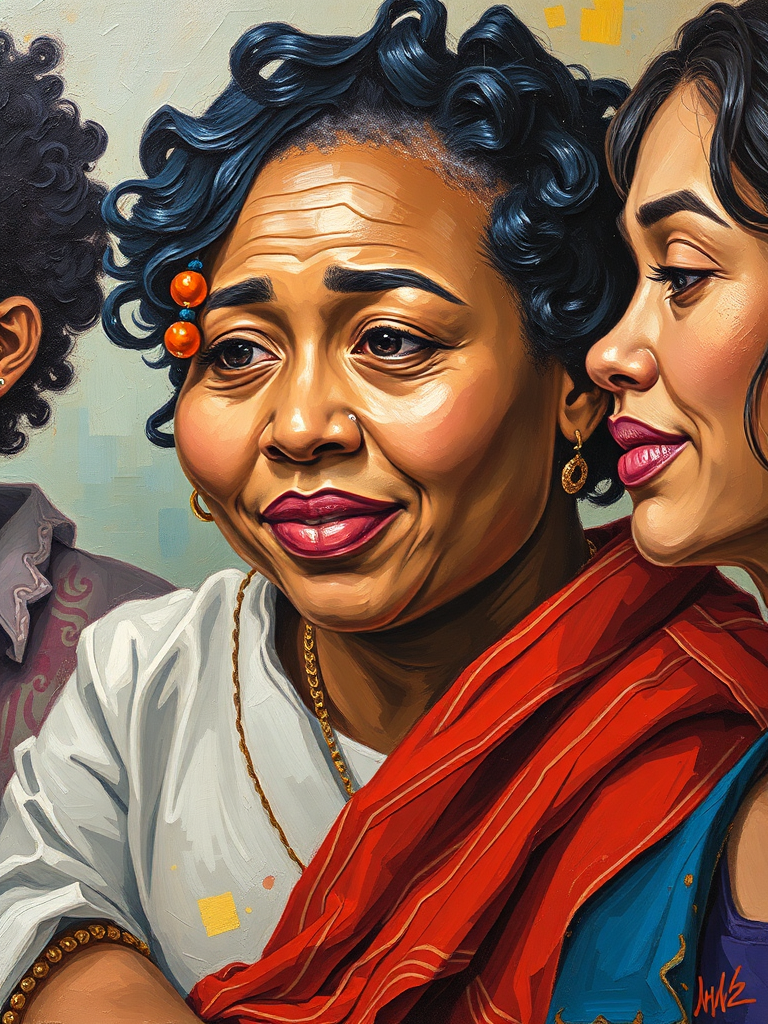
Ultimately, inclusive leadership is about creating a work environment where everyone feels valued and included. It’s about recognizing the value of diversity and using it to drive innovation and growth. It’s about being a leader who not only accepts but embraces and celebrates differences. It’s about being the kind of leader that everyone wants to work with, and that every organization needs.
Inclusive leadership is the future, and it’s here to stay. Embrace it, practice it, and watch as it transforms your organization into a powerhouse of creativity, innovation, and success.