Leadership briefing
Team Building That Works: Leadership, Shared Experiences, and Habits That Strengthen Teams
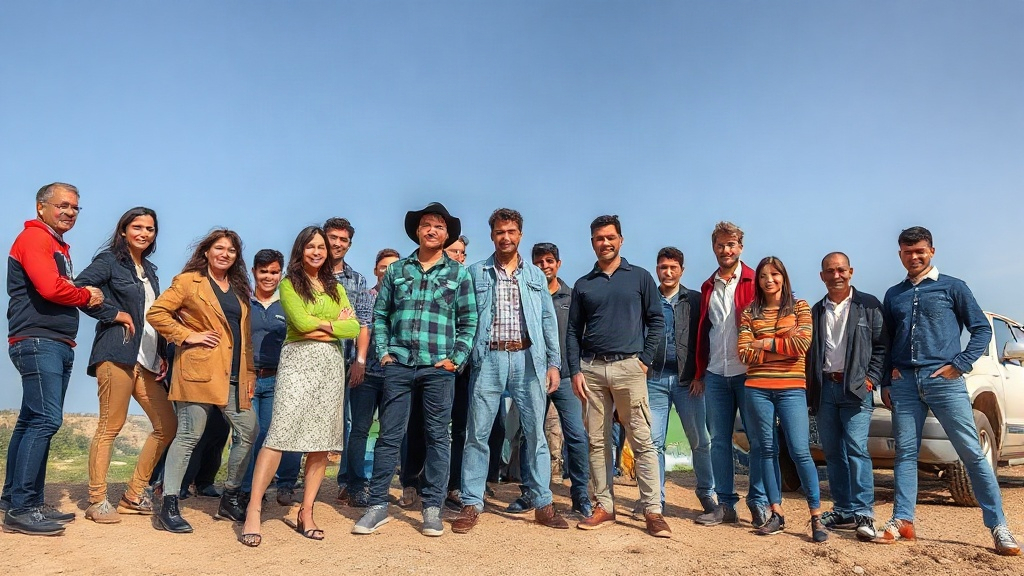
Team building has moved well beyond the trust fall and the annual off-site. Today, the strongest teams are built through deliberate leadership choices, shared experiences, and a steady rhythm of connection. Recent headlines show just how many forms that effort can take, from professional sports squads hitting the track before the playoffs to law firms and agencies bringing in new leaders to strengthen their ranks.
Why Team Building Still Matters
Teams rarely fail because of a lack of talent. They fail because of weak communication, unclear roles, and low trust. Team building addresses all three, and it does so most effectively when it's treated as an ongoing practice rather than a one-time event.
The benefits are well documented in practice:
- Faster decision-making, because people know whose strengths to lean on. - Higher retention, since employees who feel connected are less likely to leave. - Better collaboration across departments, especially in hybrid and distributed workplaces. - Greater resilience when projects get stressful or priorities shift suddenly.
Lessons From the Sports World
Professional athletes understand the value of cohesion better than most. Recently, the Portland Timbers headed to the track for a team-building outing ahead of the playoffs. The timing is no accident. When pressure is highest, teams benefit from stepping outside the normal routine and sharing something lighthearted together.
The takeaway for any workplace is simple: build bonds before the crunch, not during it. A product launch, a major client pitch, or a year-end push is much easier to navigate when colleagues already know how to laugh together and rely on one another. Activities that are playful, physical, and slightly competitive tend to break down hierarchies quickly because everyone is on equal footing.
Leadership Hires as Team Building
Team building also happens at the organizational level. Announcements such as Chip Abramovic joining the government relations team at Buchanan in Pittsburgh, or OpAD Media appointing Disney veteran Lauren Daghini as VP of integrated growth and strategy, highlight a quieter form of team building: adding the right people in the right seats.
Strategic hiring shapes culture just as much as any retreat. A new leader brings fresh perspectives, new networks, and different working styles, and the existing team has to integrate them. To make that process smooth:
1. Introduce new hires with context. Share their background and the reason they were chosen. 2. Pair them with internal partners. A built-in collaborator speeds up onboarding. 3. Clarify expectations early. Define how the new role complements existing responsibilities. 4. Create small wins together. Early shared success builds credibility and trust.
Local Experiences That Bring Groups Together
Destinations are also getting in on the trend. Tourism boards like Visit Lake Charles now publish curated itineraries with team-building activities for visiting groups, showing how much demand exists for experiences that combine business goals with local flavor. Food tours, outdoor adventures, and cultural outings give teams a shared story to tell afterward, and shared stories are the raw material of strong culture.
When planning an outing, consider these principles:
- Match the activity to the group. Not everyone enjoys high-energy challenges, so offer options. - Keep it inclusive. Consider mobility, dietary needs, and comfort levels. - Tie it to a purpose. Even a short debrief connecting the experience to daily work makes it stick. - Leave room for conversation. Unstructured time often produces the best connections.
Making Team Building a Habit
The most effective programs blend big moments with small, consistent rituals. A quarterly off-site is valuable, but so are weekly check-ins, peer recognition, cross-team lunches, and virtual coffee chats for remote colleagues. Small touchpoints compound over time.
Leaders should also measure what matters. Pulse surveys, retention data, and informal feedback reveal whether efforts are landing. If people dread the activities, adjust. If they ask for more, lean in.
Ultimately, team building is about creating the conditions where people do their best work together. Whether that means a sprint around a track, a thoughtful leadership appointment, or a group itinerary in a new city, the principle holds: invest in relationships, and performance follows.