Leadership briefing
Strategic Team-Building Playbook: Rituals, Psychological Safety & Measurable Impact
Team building is more than occasional socializing—it’s a strategic investment that boosts collaboration, retention, and productivity. When teams feel connected and aligned around a shared purpose, they move faster, innovate more, and weather change with resilience. Here’s a practical playbook for creating team-building experiences that deliver measurable impact.
Define purpose and outcomes
Start by clarifying why you’re running a team-building initiative. Is the goal to improve communication, accelerate onboarding, reduce turnover, or spark cross-functional innovation? Define one or two primary outcomes and use them to design activities that map directly to those objectives. Clear outcomes make it easier to measure progress and justify ongoing investment.
Design rituals, not one-offs
Regular, predictable rituals build cohesion faster than occasional events. Consider weekly standups with a two-minute personal check-in, monthly learning sessions, or a rotating “team spotlight” where members share wins and challenges. Rituals create shared habits, strengthen trust, and normalize feedback when used consistently.
Prioritize psychological safety
Psychological safety—the belief that it’s okay to speak up, ask for help, and make mistakes—is the foundation of high-performing teams. Encourage leaders to model vulnerability, ask for input, and respond constructively to dissent. Use structured practices like “failing forward” retrospectives and anonymous suggestion channels to lower barriers to participation.
Mix social and task-based activities
Task-focused challenges create meaningful collaboration. Examples include short hackathons, problem-solving workshops, or cross-functional mini-projects with clear deliverables. Complement these with lighter social rituals—virtual coffee pairings, culture lunches, or volunteer days—to strengthen relationships without sacrificing productivity.
Make remote and hybrid teams feel cohesive
Remote and hybrid teams require intentional design. Set explicit communication norms—when to use synchronous calls versus asynchronous messages—and use visual collaboration tools for shared work. Short virtual activities that scale, like two-minute daily highlights or randomized “coffee connect” pairings, help recreate hallway conversations. For hybrid setups, design inclusive activities so remote members aren’t sidelined during in-person gatherings.
Onboard for culture, not just process
New hires form opinions about team culture quickly. Pair onboarding buddies with structured first-week goals that include cultural immersion: a team values discussion, a short introduction to ongoing rituals, and a small pairing project. Early experiences shape long-term engagement, so make the onboarding social as well as procedural.
Encourage cross-functional exposure
Rotate team members through short stints with adjacent functions or run shadowing sessions. Cross-functional exposure increases empathy, reduces handoff friction, and seeds new ideas. Keep projects short and focused, with clear goals and coaching touchpoints.
Recognize and reward the behaviors you want
Public recognition reinforces desired collaboration behaviors. Celebrate examples of great teamwork, creative problem-solving, and helpful mentoring. Peer-nominated awards or a dedicated “kudos” channel increase the visibility of positive behaviors and make recognition a regular practice.
Measure and iterate
Track a few team-health metrics tied to your outcomes: engagement survey scores, meeting effectiveness ratings, time-to-onboard, retention within teams, or quality of deliverables on collaborative projects. Use short feedback loops—pulse surveys or quick post-event check-ins—to learn what’s working and iterate quickly.
Practical tools and low-friction ideas
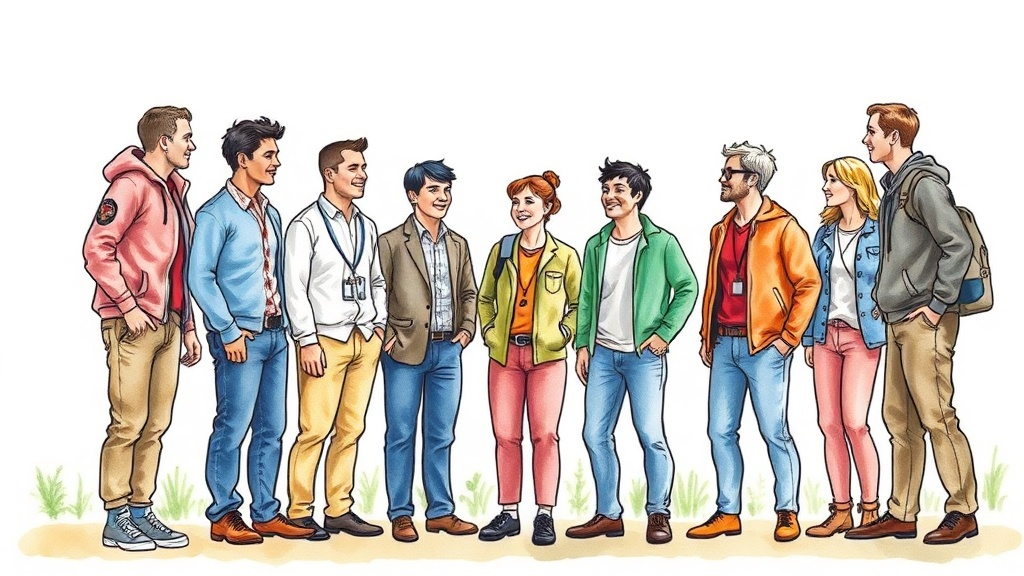
Simple wins can have outsized impact: 15-minute cross-team demos, a shared “wins” document, monthly micro-learning slots, or a monthly volunteer hour. Tools that support asynchronous collaboration and lightweight social connections help sustain momentum without heavy coordination.
Team building becomes strategic when it’s continuous, purposeful, and measured. Focus on rituals, psychological safety, practical cross-functional work, and inclusive practices for remote and hybrid members to build teams that stay connected and perform at their best.