Leadership briefing
Strategic Team Building: How to Build High-Performing, Inclusive Teams (Remote & Hybrid Tips)
Why team building still matters — and how to do it right
Strong teams move faster, make better decisions, and stay motivated through change. Today’s workforce expects more than the occasional happy hour: they want clear purpose, psychological safety, and opportunities to connect across roles.
Effective team building is an ongoing discipline that blends culture, structure, and practical rituals.
Core benefits of strategic team building
– Improved collaboration: When people understand each other’s strengths and work styles, handoffs are smoother and projects finish faster.
– Higher retention: Teams that connect socially and feel supported are less likely to lose talent to burnout or disengagement.
– Better problem solving: Diverse teams that trust one another surface more creative solutions and challenge assumptions constructively.
– Faster onboarding: New hires ramp up quicker when they’re integrated into team rituals and networks from day one.
Designing team-building around outcomes
Start by defining measurable goals: increase team engagement scores, reduce time-to-completion for cross-team projects, or raise internal Net Promoter Scores. Align activities to those outcomes—social events alone won’t move productivity metrics unless paired with role clarity and shared accountability.
Practical activities that work
– Strengths mapping: A short session where team members share top strengths and preferred ways of working. Results inform task assignment and reduce friction.
– Problem-sprint workshops: Small cross-functional groups tackle a real challenge for 60–90 minutes, followed by a quick debrief and next steps.
This builds collaboration and produces actionable outcomes.
– Micro-mentoring: Pair junior and senior colleagues for recurring 30-minute meetings focused on skill transfer and career guidance.
– Ritualized check-ins: Start meetings with a 60-second personal highlight to build rapport without derailing agendas.
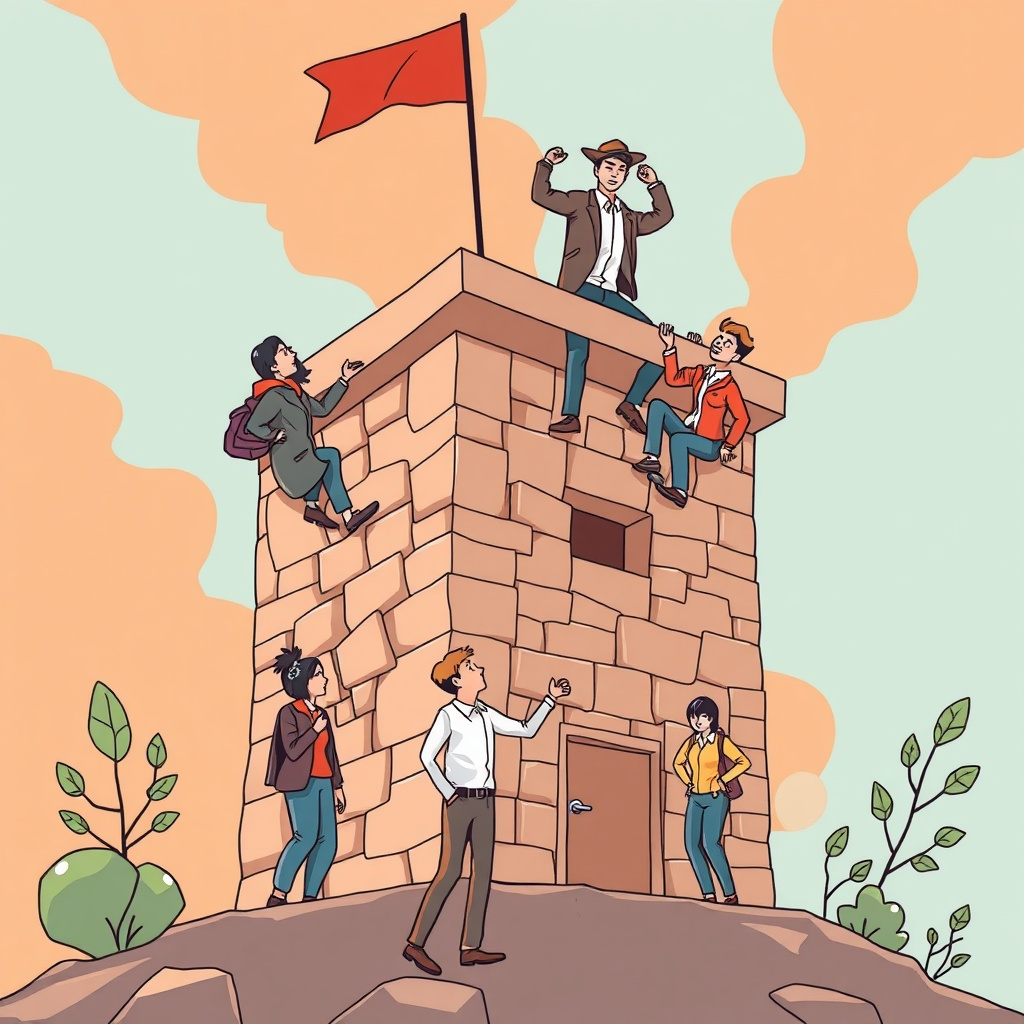
– Social micro-events: Low-effort gatherings like themed lunches, walking meetings, or shared playlists keep human connection alive.
Remote and hybrid adaptation
Remote teams benefit from intentional, shorter activities that respect time zones. Try asynchronous icebreakers, virtual scavenger hunts that use photos, or rotating “show-and-teach” sessions where a team member demos a hobby or skill. Use video for collaboration touchpoints and keep recurring sessions under 30–45 minutes when possible.
Creating psychological safety and inclusion
Team building should prioritize belonging. Encourage vulnerability by modeling it from leadership—sharing setbacks as well as wins.
Use inclusive formats: anonymous idea submissions, rotating facilitators, and multiple channels for input so introverts and neurodiverse teammates can contribute comfortably.
Measuring success
Track engagement through pulse surveys, eNPS, and metrics tied to your goals, like cycle time or meeting efficiency.
Qualitative feedback matters: collect stories about smoother handoffs or better peer support. Iterate based on what actually moves outcomes rather than on what feels fun in the moment.
Common pitfalls to avoid
– One-off events with no follow-up: Without integration into work rhythms, gains evaporate.
– Overemphasis on entertainment: Games are useful but won’t fix structural misalignment or unclear roles.
– One-size-fits-all activities: Cultural and personality differences require a mix of formats and options.
Actionable next steps
1.
Set one clear team-building objective tied to business outcomes.
2. Pilot two complementary activities—one focused on skills/collaboration and one social—and run them for a quarter.
3. Measure impact with a quick pulse survey and at least one operational metric, then refine.
When team building is intentional and measured, it becomes a multiplier: better relationships enable better work, and better work reinforces stronger relationships. Start small, iterate, and make connection part of the team’s daily cadence.