Leadership briefing
Inclusive Leadership: How Sharing Power Drives Sustainable Growth and Opens Doors for All
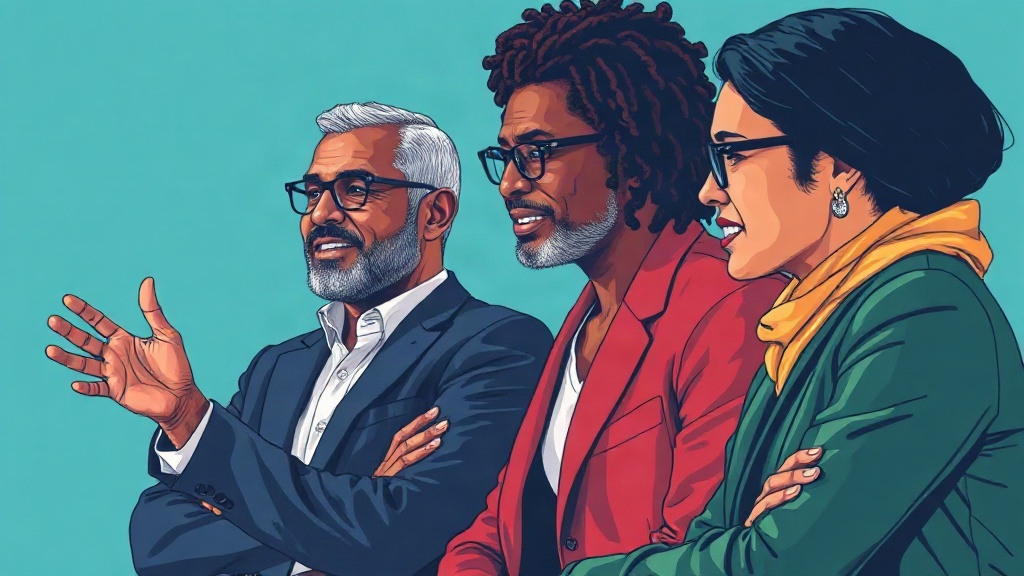
Inclusive leadership has moved from a "nice to have" to a core business and community priority. Organizations that once treated it as a side initiative are now recognizing that the way leaders listen, decide, and share power directly shapes retention, innovation, and long-term performance. Recent coverage reflects this shift, from discussions about sustainable and equitable growth to grassroots efforts, such as Rotary's push to open leadership pathways for young people with disabilities.
What Inclusive Leadership Really Means
At its simplest, inclusive leadership is the practice of making sure every person feels valued, heard, and able to contribute fully. It goes beyond diversity targets. Diversity describes who is in the room, while inclusion determines whether those people can speak, influence outcomes, and advance.
Inclusive leaders tend to share a handful of traits:
- Curiosity: They ask questions and seek out perspectives that differ from their own. - Humility: They admit what they don't know and credit others openly. - Awareness of bias: They recognize their own blind spots and build systems to counter them. - Courage: They challenge exclusionary norms, even when it is uncomfortable. - Accountability: They measure progress and take responsibility for results.
The Link Between Inclusion and Sustainable Growth
Business commentators, including recent Forbes analysis, have framed inclusive leadership as a foundation for sustainable and equitable growth. The logic is straightforward. Teams that draw on a broad range of experiences spot risks earlier, understand more customer segments, and generate more creative solutions. Employees who feel they belong are also more engaged and less likely to leave, which lowers hiring costs and protects institutional knowledge.
Equity matters here as well. Growth that benefits only a narrow group is fragile. When opportunities, mentorship, and sponsorship are distributed fairly, organizations build a deeper talent pipeline and a stronger reputation with employees, customers, and investors alike.
Opening Doors for Young People With Disabilities
One of the most encouraging recent stories comes from Uganda, where Rotary is working to open leadership doors for young people with disabilities. The initiative highlights a truth that applies far beyond any single country: talent is everywhere, but access is not.
Young people with disabilities often face barriers that have little to do with ability. These include inaccessible buildings, limited educational support, low expectations, and a shortage of visible role models. Leadership programs that deliberately address these obstacles do more than create individual opportunities. They show communities and employers what is possible and shift assumptions over time.
For organizations, the lesson is clear. Inclusive leadership development must reach people who are usually overlooked, and it should be designed with their input rather than simply on their behalf.
Practical Ways to Lead More Inclusively
Whether you manage a small team or an entire company, a few habits make a measurable difference:
1. Rotate voice in meetings. Invite quieter colleagues to share first, or collect input in writing before discussions begin. 2. Audit access to opportunity. Look at who receives stretch assignments, promotions, and sponsorship, and address any patterns of exclusion. 3. Build accessibility in from the start. Plan events, workspaces, and digital tools so that people with different abilities can participate without special requests. 4. Seek feedback and act on it. Anonymous surveys and open listening sessions only matter if people see real changes afterward. 5. Mentor across differences. Pair emerging leaders with sponsors who can advocate for them in rooms they cannot yet enter. 6. Model the behavior. Teams copy what leaders do. When executives share their own learning and mistakes, others feel safer doing the same.
Common Pitfalls to Avoid
Many well-intentioned efforts stall because they rely on one-off training or symbolic gestures. Inclusion cannot be delegated entirely to an HR team or a single awareness month. It has to be embedded in hiring, performance reviews, budgeting, and everyday decision-making.
Another trap is treating inclusion as a uniform checklist. Different groups face different barriers, and effective leaders adapt their approach rather than assuming one solution fits all.
Why It Matters Now
Workforces are more global, multigenerational, and hybrid than ever, and expectations for fairness and transparency continue to rise. Leaders who build inclusive cultures are better prepared to navigate that complexity. Those who ignore it risk losing talent, trust, and relevance.
The most powerful takeaway from both corporate boardrooms and community programs is the same: inclusive leadership is a practice, not a slogan. It grows through consistent choices, open doors, and a willingness to share power so that more people can lead.